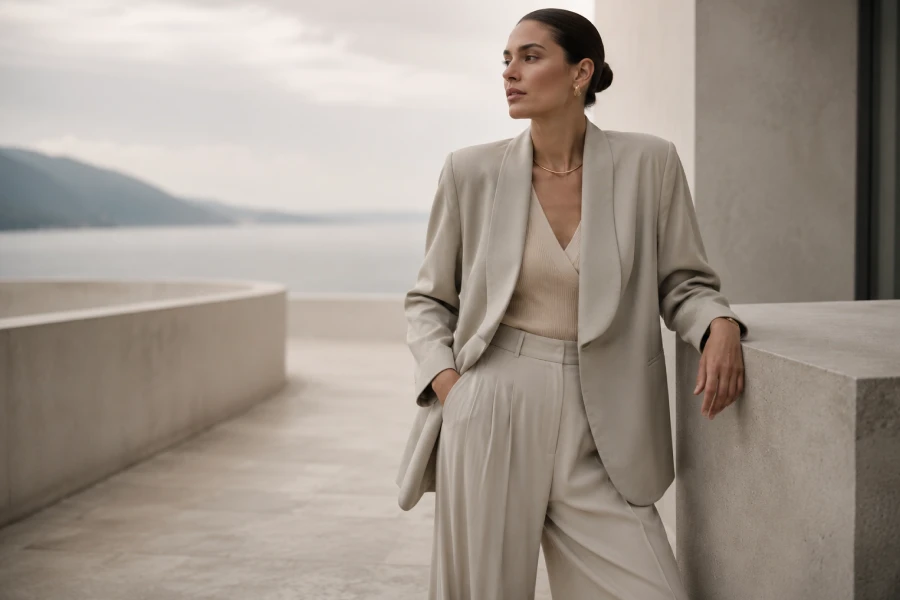
Strong shoulders can make a jacket look powerful, polished, and intentional. The challenge is finding jackets that balance broad shoulders without creating extra visual width. Fit becomes especially important when fabric pulls across the upper back or sleeves feel restrictive. A good jacket should follow your frame instead of fighting it. It should also create an easy line through the torso and hips. Design details matter more than labels or trending cuts. Softer construction, thoughtful length, and strategic neckline choices can all shift the effect. The best styles allow your shoulders to look natural rather than overemphasized. Once you understand what to look for, shopping becomes more efficient. A balanced layer can quickly become one of the hardest-working pieces in your wardrobe.
Rigid tailoring can add more presence where you may want less. Softer construction allows the jacket to follow the body with less stiffness. Unlined or lightly lined styles often feel more relaxed. Gentle drape can make a polished outfit look less formal and more modern. Try relaxed jacket construction when traditional blazers feel too sharp. Look for minimal padding and smoother sleeve transitions. A softer shoulder does not mean a shapeless jacket. It simply creates a cleaner line between the upper body and sleeve. Move your arms, sit down, and check the back before deciding. Comfortable structure is usually the most flattering kind.
Neckline shape can change how wide the upper body appears. V-necks, open collars, and simple scoop necks create an elongated central line. That visual direction can make an outfit feel more balanced. High, wide necklines may sometimes emphasize the shoulder area instead. Try on jackets with the tops you already own. Notice where the eye travels first when you look in a mirror. A simple column of color underneath can add even more length. Keep prints subtle near the upper body when you want a quieter effect. A centered neckline gives the jacket a more cohesive frame. Styling from the inside out often produces better results.
Drape determines whether a jacket feels fluid or overly boxy. Fabrics that skim the body often create a more relaxed shape. Look for soft tailoring choices when heavier blazers make you feel too square. Lightweight wool, crepe, and brushed cotton can offer flexible structure. Check that the fabric falls cleanly from shoulder to hem. Avoid styles that stand sharply away from the body. A small amount of movement can make tailoring feel more modern. Consider open-front designs when you want a less restrictive option. Smooth drape also improves comfort throughout a long day. The right fabric can make a tailored piece feel surprisingly effortless.
Balance does not depend only on what happens above the waist. Wider-leg trousers can echo the shoulder line in a subtle, harmonious way. Straight skirts may create a sleek column beneath the jacket. A defined waist can also add shape without feeling overly fitted. Try different hemlines with the shoes you wear most often. Notice whether a cropped jacket works better with high-rise bottoms. Longer jackets may feel especially good with slim or straight trousers. Avoid assuming that only one silhouette will suit your frame. Proportion becomes clearer when you see the entire outfit together. A jacket feels most successful when it supports the whole look.
Balanced styling does not mean giving up polish or structure. A well-cut blazer can look sophisticated without exaggerated shoulder details. Consider proportional outerwear that creates shape through seams and length instead of padding. Single-breasted closures often feel easy and versatile. Soft belts can define the waist without dividing the silhouette sharply. Minimal buttons and clean pockets keep attention on the overall line. Choose a jacket that closes comfortably but also looks good open. The most useful pieces should work across professional and casual settings. Tailoring feels strongest when it looks natural on your body. Your jacket should support the mood of the outfit, not dominate it.
Once the jacket fit feels right, the rest of your look comes together quickly. You can build around a simple tee, a fine knit, or a crisp shirt. Add jewelry that draws attention toward the center of the body. Choose bags with softer shapes when you want an easy overall effect. Keep shoes proportional to the outfit rather than overly delicate. Play with monochrome looks for a longer, cleaner line. Use color to create continuity from top to bottom. A good jacket should make you feel composed in seconds. It should also give you more options from pieces you already own. The right proportions turn getting dressed into a more creative experience.


Leave a comment