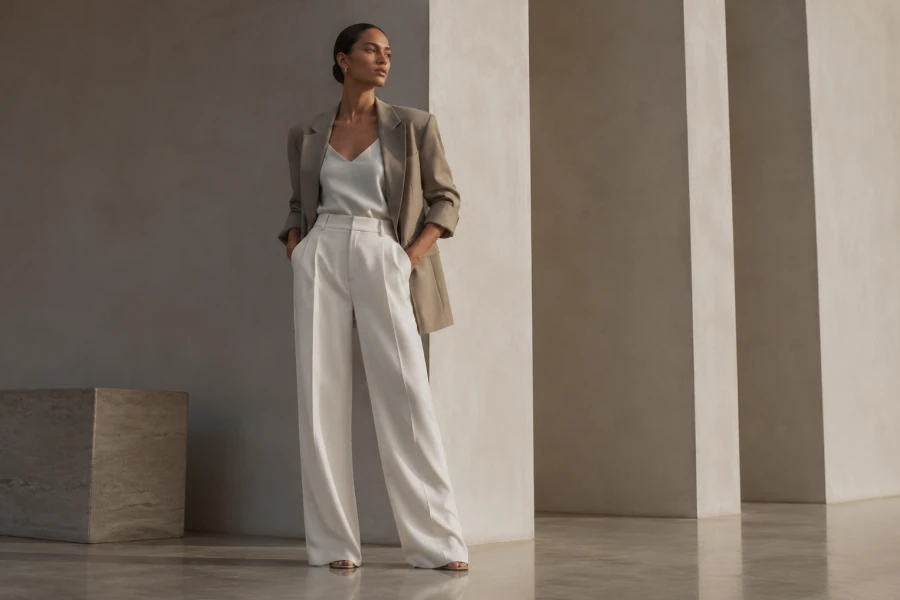
A jacket can change an outfit more quickly than almost any other layer. Jacket fit for wide shoulders becomes important when a piece feels tight, boxy, or visually unbalanced. The goal is not to hide a strong shoulder line. It is to create a silhouette that feels comfortable and considered. Small design details can influence where the eye naturally lands. Sleeve shape, lapel width, fabric drape, and jacket length all matter. A well-chosen layer gives your frame room without adding unnecessary bulk. It also makes the rest of your wardrobe feel easier to style. Understanding proportion turns shopping into a more confident process. The right jacket helps your clothes support your shape instead of competing with it.
The shoulder seam is often the first detail worth checking. It should sit close to your natural shoulder edge without pulling outward. A seam that ends too high can make the jacket feel restrictive. One that extends too far can create an overly broad appearance. Look for clean construction that allows the fabric to fall smoothly. Consider shoulder-balancing layers that create an easy transition from shoulder to sleeve. Avoid exaggerated padding when you already have strong natural structure. Softer lines often make a jacket feel more relaxed. Try moving your arms before deciding that the fit works. Comfort and proportion should feel connected rather than separate.
Jacket length can shape the entire impression of an outfit. A style that ends at the widest part of the torso may feel less balanced. Slightly longer layers can create a cleaner vertical line. Cropped pieces can also work when they sit above the widest point. The key is seeing the jacket with the bottoms you actually wear. Try it with trousers, skirts, and dresses before committing. Notice how the hem changes the overall proportion. A longer open layer can add movement without feeling oversized. A structured short jacket can look sharp with high-rise trousers. Length becomes more useful when you treat it as a styling tool.
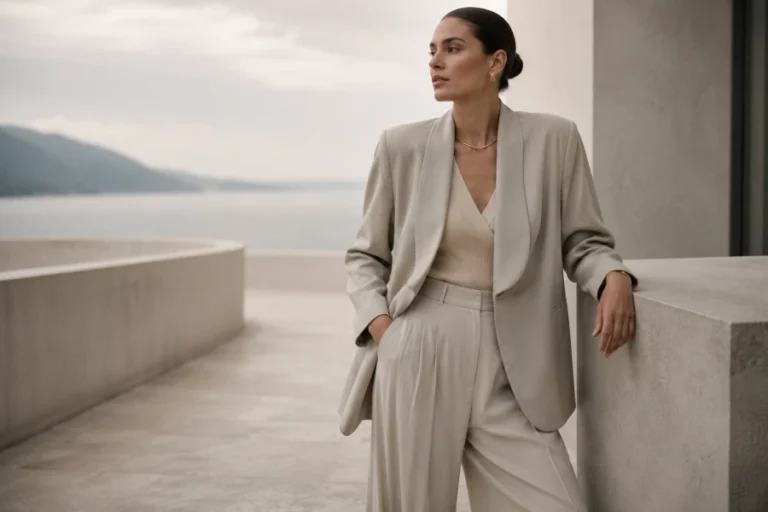
Lapels can guide the eye through the center of the body. A moderate lapel often feels more balanced than an extremely narrow version. Vertical lines create a sense of length and ease. Look at lapel placement tips when comparing tailored jackets in different cuts. A deep V opening can soften the transition from shoulder to chest. Double-breasted styles may work when they have clean, elongated lines. Avoid overly sharp shoulder points that pull attention outward. The jacket should guide the eye down rather than across. Try the piece with a simple top underneath. Good lapel placement can make tailoring feel much more harmonious.
Fabric has a strong effect on the way a jacket holds its shape. Crisp materials can create a sharper silhouette and more visible structure. Softer fabrics often drape closer to the body and feel less rigid. Lightweight wool blends, fluid crepe, and soft cotton can all offer different benefits. Check whether the fabric pulls across your upper back when you move. Notice if it adds volume around the arms or upper chest. A subtle texture may soften the look of a tailored piece. Dense fabrics can still work when the cut remains clean. The best material feels comfortable while maintaining a thoughtful line. Fabric choice can make a familiar jacket feel completely different.
Sleeves influence whether a jacket feels effortless or overly constructed. A smooth sleeve head usually creates a more natural transition. Dropped shoulders can work when the rest of the shape stays intentional. Raglan sleeves may offer extra comfort and softer visual structure. Explore refined shoulder lines that avoid stiff buildup around the upper arm. Avoid extra puffiness when you want a cleaner silhouette. Check the sleeve length while your arms rest naturally. A sleeve that ends near the wrist often feels most versatile. The right sleeve creates movement without adding visual weight. Small construction details can transform how a jacket feels.
A jacket should not be evaluated as an isolated piece. Consider what happens when you add your usual trousers or skirt. Notice whether the neckline, waistline, and shoe create balance beneath it. Open jackets often feel lighter when paired with a simple fitted base layer. A longer necklace can continue the vertical line created by the lapel. Keep accessories focused so they do not compete with the jacket shape. Choose colors that create continuity rather than sharp horizontal breaks. A well-proportioned outfit allows the jacket to feel like a natural extension. The best fit supports your confidence without demanding constant adjustment. Once the proportions feel right, styling becomes much more intuitive.

Leave a comment