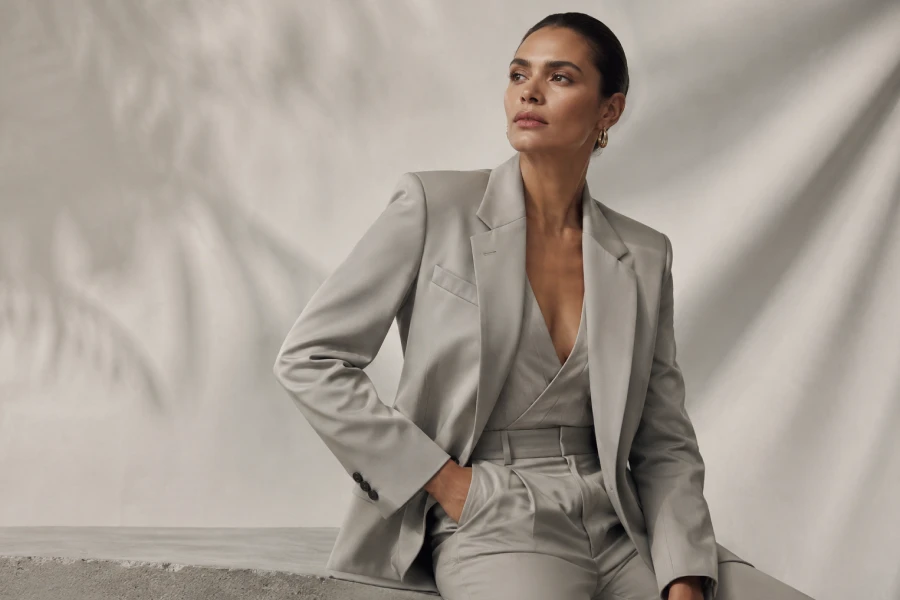
Jackets can bring shape, polish, and personality to a simple outfit. Wide shoulder jacket styling is about directing that structure in a way that feels balanced. It does not require hiding your shoulders or avoiding strong silhouettes. Instead, it focuses on building a look that has movement and proportion. The right choices can make tailoring feel softer, more modern, and easier to wear. Fabric, neckline, length, and styling all play useful roles. A well-chosen jacket can also make familiar basics look more intentional. The most effective looks feel comfortable because they are built around your real proportions. Once you understand the visual balance, you can experiment more freely. Great styling starts with noticing what makes you feel both polished and at ease.
Vertical lines help create a sense of length through the outfit. Open jackets naturally form a central column over a simple base layer. Long lapels can guide attention downward in a subtle way. A tonal top and trouser combination can strengthen that effect. Consider drape-focused fabrics that fall smoothly instead of standing away from the body. V-necks and open collars can also create visual movement. Avoid adding too many horizontal breaks around the upper body. Keep belts and waist details intentional but not overly tight. A clean vertical line makes tailoring feel more fluid. This approach works for both casual and professional outfits.
The layer beneath a jacket can change the entire result. Fine knits, simple tees, and fluid blouses usually create a smooth foundation. A fitted base does not need to feel restrictive. It simply allows the jacket to hang without extra bulk. Choose necklines that direct focus toward the center. Keep textures quieter when the jacket already has strong structure. Try monochrome combinations when you want a long, uninterrupted line. A patterned top can still work when the scale remains small. Notice how the jacket looks both open and closed. The base layer should help the jacket feel like part of one complete look.
Bottoms can bring calm proportion to a strong upper-body layer. Wide-leg trousers often create a balanced silhouette without feeling dramatic. Straight-leg denim can make a structured jacket feel more relaxed. Midi skirts may add softness and movement beneath sharper tailoring. Use versatile blazer styling to test several bottom shapes before deciding what works best. A defined waist can help create an intentional transition. Avoid choosing bottoms only because they feel safe. The most flattering pair often creates a clear visual response to the jacket. Look at the outfit from a few steps away. Balance becomes much easier to see at a distance.
Color can make a jacket feel integrated rather than separate. Tonal outfits often create a long, polished line from shoulder to hem. Darker colors do not always narrow the frame, but they can create cohesion. Softer contrasts can also help the eye move through an outfit smoothly. Consider matching the jacket closely to your trousers or skirt. Use a lighter base layer to add gentle dimension in the center. Avoid abrupt blocks of color when you want a more fluid effect. Rich textures can add interest without demanding attention. Shoes can continue the outfit’s color story from below. Thoughtful color placement makes a jacket feel more versatile.
Accessories can either support the outfit or add more visual weight. Long necklaces and delicate chains can reinforce a centered line. Soft bags often balance structured tailoring better than very boxy designs. Try confident fit decisions that keep the focus on your overall silhouette. Scarves work well when they drape instead of sitting tightly at the neck. Shoes with a little presence can ground a jacket without competing with it. Avoid crowding the shoulder area with bulky accessories. Let one or two details carry the look. Subtle finishing touches often feel more modern than over-styling. The goal is ease, not visual noise.
The most useful outfit is one that supports your plans beyond the mirror. Choose jackets that allow you to sit, commute, work, and move comfortably. Think about the layers you wear most often during your week. Keep one reliable jacket for polished occasions and another for casual routines. Try new combinations with pieces you already own before buying more. Photograph outfits that feel especially balanced for future reference. Notice which fabrics and cuts make you want to wear the jacket repeatedly. Style becomes more personal when it grows from real preferences. A great jacket does not need to perform every trend. It simply needs to make you feel more like yourself.


Leave a comment