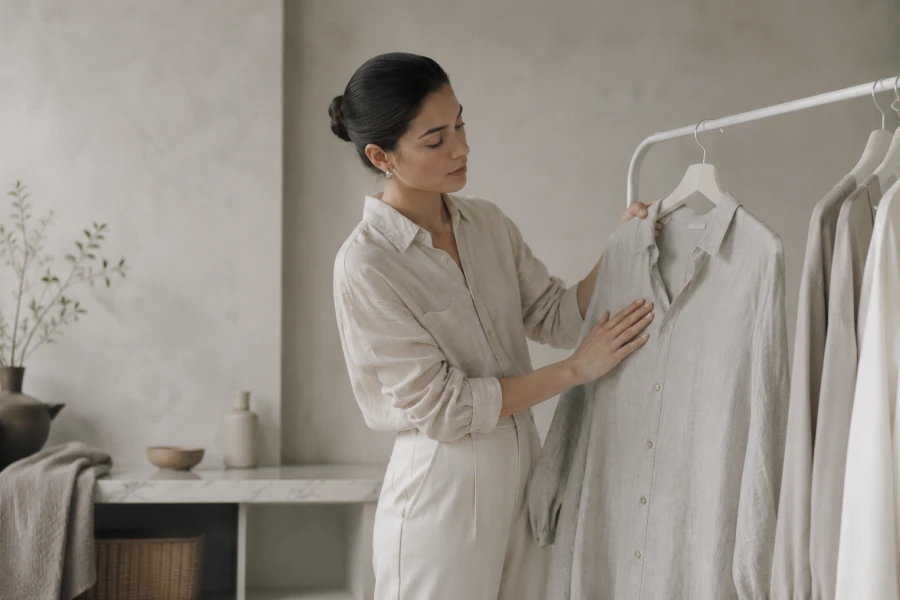
A smooth outfit can make an ordinary morning feel more collected. Clothing wrinkle removal at home does not need a large laundry room or elaborate equipment. It starts with noticing how garments are washed, dried, folded, and stored. Deep creases often form long before you decide to wear the piece. A few gentle habits can reduce the need for emergency ironing. They can also help your clothing maintain its intended shape over time. The goal is not to create a perfectly pressed closet. It is to make every item easier to reach for when you need it. Practical care supports a wardrobe that looks cleaner and feels more useful. Once the routine is in place, clothing maintenance becomes much less disruptive.
Most wrinkle problems begin during washing and drying. Remove garments from the machine soon after the cycle ends. Leaving damp clothes packed together lets creases set quickly. Shake shirts, dresses, and trousers before hanging or laying them flat. Smooth collars, cuffs, waistbands, and hems while the fabric is still fresh. Use no-iron clothing care practices that work with your actual laundry rhythm. Avoid overloading the dryer because pressure encourages sharp folding lines. Remove items while they are warm if your care labels permit it. Fold or hang pieces immediately after drying. That single habit can prevent many wrinkles before they begin.
Closet storage can either protect clothes or create unnecessary creases. Give shirts enough hanger space so sleeves are not compressed. Use sturdy hangers for jackets and structured tops. Fold sweaters in a way that supports their shape without heavy stacks. Avoid placing too many items in one drawer. Use dividers when smaller pieces tend to shift into piles. Keep frequently worn garments easy to reach and rotate. Store seasonal clothing in breathable containers rather than tight plastic bags. Review your closet a few times each year. Better organization supports better-looking clothes with less effort.
Not every garment needs direct heat to look refreshed. A warm shower can create helpful steam for many fabrics. Hang the item nearby and let the fibers relax gradually. Lightly misting fabric can work well when followed by smoothing. Try gentle fabric care for delicate pieces that need a softer approach. Use clean hands to pull seams and hems into place. A damp cloth can soften isolated wrinkles on durable materials. Keep moisture minimal so you avoid water marks. Let garments dry fully before returning them to storage. Slow, careful methods often create the best results.
Morning stress often makes wrinkles feel more frustrating than they are. Choose tomorrow’s outfit the night before whenever possible. Hang it where it can air out without pressure. Check for creases under natural lighting before the morning rush. Keep a few empty hangers close to your laundry area. Give garments a quick shake before wearing them. Smooth visible wrinkles while the fabric is still relaxed. Avoid pulling a piece from a crowded chair or drawer. Keep high-use basics in a simple, accessible zone. Small preparation makes polished dressing feel much more automatic.
Clothing care becomes easier when it fits into the flow of the week. Choose one moment to reset laundry, storage, and hanging areas. Let garments cool completely before folding or placing them in drawers. Use home wardrobe maintenance as a way to protect the pieces you already enjoy. Keep delicate fabrics separate from heavier items when possible. Fold along natural seams instead of forcing sharp lines. Rotate items so older favorites remain visible. Repair loose buttons or hems before they become bigger problems. Careful routines extend the useful life of your clothing. A calmer closet creates a calmer start to the day.
Some fabrics will always keep a little natural texture. Linen, cotton, and relaxed knits often look better with softness rather than stiffness. Focus on whether a garment looks clean, intentional, and comfortable. Do not spend unnecessary time chasing a flawless finish. Use the methods that suit your schedule and your wardrobe. Learn which pieces need a little extra attention. Let easier garments carry you through busy weeks. Save detailed care for items that truly benefit from it. A useful routine should make life smoother, not create another obligation. The most effective clothing care is the kind you can actually maintain.



Leave a comment